
/f/131443/3229x2061/bff1120589/data-skills-for-tsm-online-course-feature.png)
/f/131443/1376x867/d877fde429/online-courses-offer-4for3-feature.png)
/f/131443/2512x1656/98a7710e67/cx-feature.jpg)
/f/131443/640x422/c90e3b081d/research-to-inform-strategy.jpg)
/f/131443/1962x1135/e8f74f1bf6/customer-research-review.png)
TLF Gems Newsletter October 2025
Your monthly CX and insight newsletter from TLF Research
Drawing is essential to understanding form.
Milton Glaser
There are many reasons to be sceptical about the net value of large language models (and a few to be more optimistic, in fairness).
One thing that has relevance outside of the world of AI is just how much quality matters. LLMs are characterised by low to mediocre quality, but output at impressive speed. They've exacerbated the main problem of the digital age, which has been a surfeit of "content" making it harder and harder to sift through to the stuff that actually has value.
Quality still stands out. If you deliver it consistently you will find a market that values it and is prepared to pay for it - that's what a customer loyalty strategy is all about.
Thanks for reading,
Stephen
Here are 6 things we think are worth your time this month

Judging Probability Judgements
This blog is superb (although slightly sweary). Danielle Navarro explains why news items based on polls in which people are asked to make guesses about how prevalent things are (e.g. how many people own an electric car?) are biased in systematic ways. People tend to get the order of probability broadly right, but on average they underestimate how common very common things are and overestimate how common very rare things are. This tells you more about maths than it does psychology. "On a bounded scale (i.e., the true answer must be a number between 0% and 100%) random mistakes will always drag the small numbers upwards, and the big numbers downwards."

How to Craft a Message
I think it's safe to say this post didn't reach the people who needed to read it, but it is nonetheless a brilliant reflection on the art of political messaging that is just as relevant for business leaders. "Leaders need to explain the why, the what and the how of their project. And the why needs to be explained three or four times more often than anyone thinks is necessary - because it needs to cut through a lot of noise."

Mindful Productivity
I've recently discovered Anne-Laure Le Cunff's approach to productivity, and she has some excellent resources online. I particularly liked her PARI (Plan, Act, React, Impact) concept for managing progress towards goals. "I have tried Get Things Done (hard to get started and complex implementation), Don’t Break the Chain (focused on doing tasks without learning loops), the Pomodoro Technique (not flexible and can break your flow). The PARI system is focused on long-term goals, achieved through repeatable activities."

Slides or Video for Data
Interesting carousel on LinkedIn from Edward Zavertyaev contrasting the strengths and weaknesses of slides and video for data presentation. I'd argue he stacks the deck a bit, but some good points. "Save this or share with your team for next time you’re figuring out if video is worth it for your research presentations."
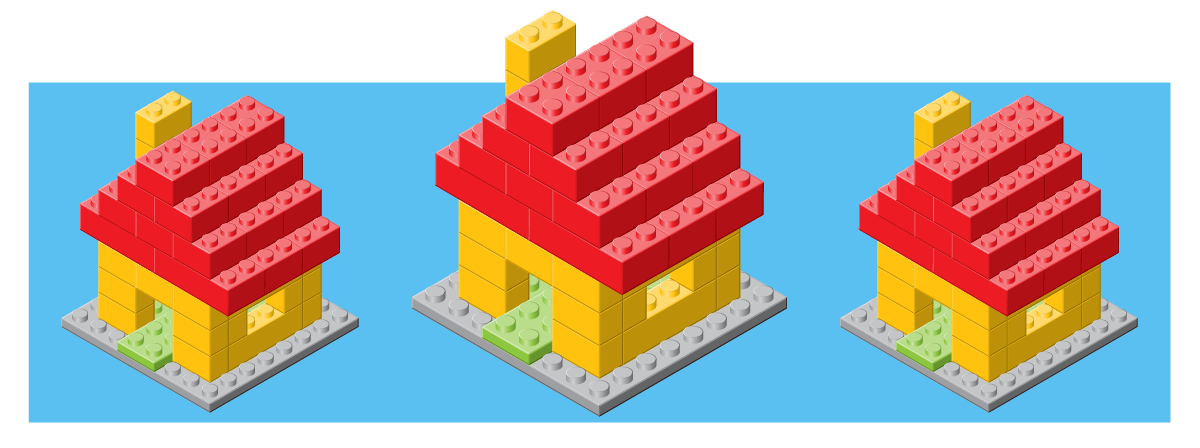
Mini Builds
I really like it when charities come up with innovative marketing campaigns, and I think this one from St Mungo's is great. Called "Mini Builds", if you sign up you'll get a little building kit in the post four times a year...and how could you resist posting the model on social media? Very clever. "St Mungo’s Mini Builds is a playful, feel good way to support people rebuilding their lives after experiencing homelessness."
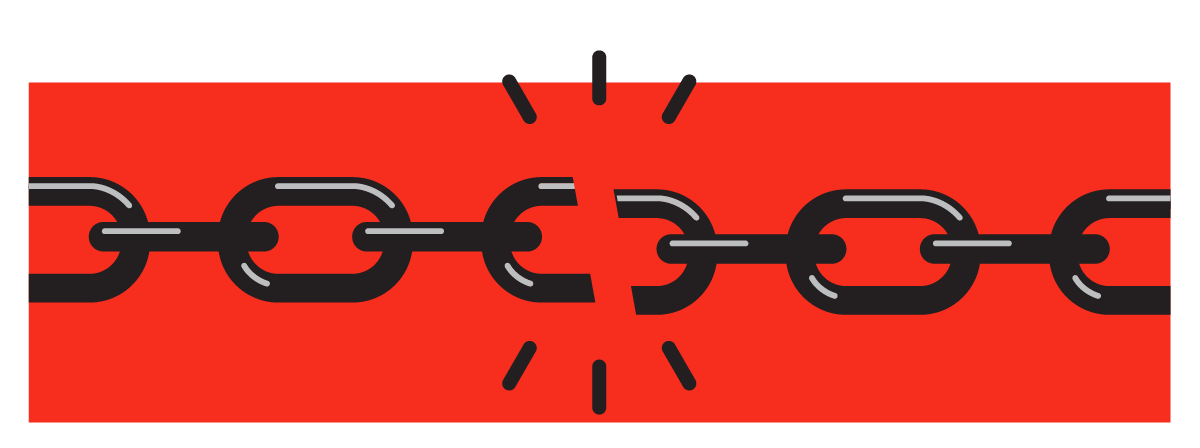
Link Rot
Worrying research from the Pew Research Centre on the phenomenon of "link rot" that happens when web pages referenced elsewhere disappear, including pages on news and government websites. I'm not saying that necessarily justifies the towering pile of books next to me, but it might! "38% of webpages from 2013 are no longer accessible."

What I'm Reading: Graphesis
This is an amazing (quite academic) study from a humanities perspective of the ways in which knowledge is produced and communicated graphically through information graphics, GUIs, diagrams, maps etc. It won't necessarily help you create better charts of diagrams, but it will force you to think about what you're doing when you create them. "Most information visualisations are acts of interpretation masquerading as presentation."
You may also be interested in
Webinar
/f/131443/511x511/0b4af078ee/customer-experience-landscape-2026-thumbnail.jpg)
The Customer Experience Landscape 2026 - CX Trends Webinar
Every year we update you with the latest trends in Customer Experience and Insight. What is everybody talking about? What should you be doing about it? We look at the hype, share some facts and figures you can use, and give our take on priorities for 2026. In this year's update...
/f/131443/1385x1385/bb386686d3/customer-research-thumbnail.png)
Customer research
We are TLF, a customer experience research company that has been designing tailored customer experience and market research programmes for over 20 years.
Downloads
/f/131443/2250x2250/09cd998c36/cx-thumbnail.jpg)
CX Tools and Templates
Our CX tools and templates have been created to help with some of the biggest challenges we know organisations face when it comes to using customer insight to drive improvements for customers. From Customer Journey Mapping, User Stories and Personas, to CX Strategy and Action Pl...
Book Review
/f/131443/500x500/2006d467e1/researchbooklist500x500.png)
A CX Research Reading List
We're often asked for recommendations on books about research and insight. Here are 12 that we think are great (and yes, we wrote 2 of them!).